
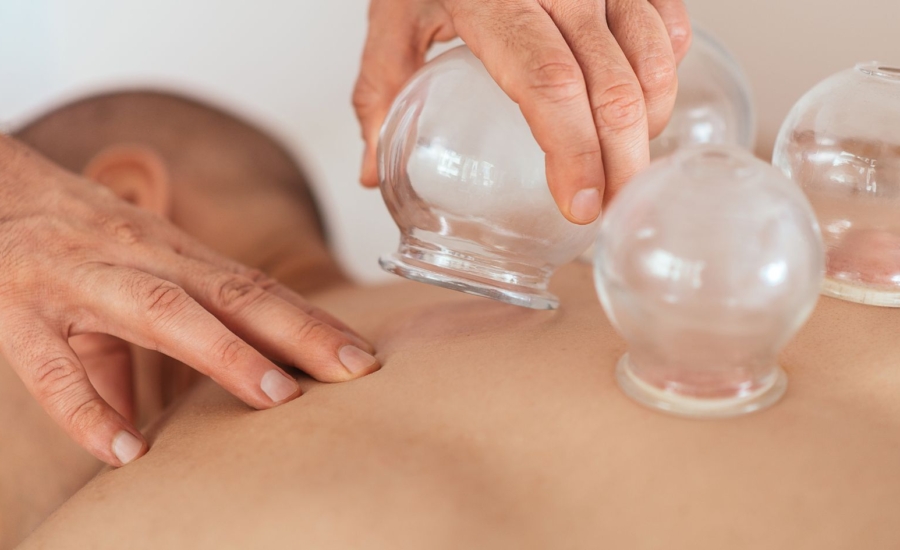
At Optimal Physical Therapy & Wellness , we offer Myofascial Decompression (MFD), commonly known as Cupping Therapy, to help reduce pain, improve movement, and accelerate recovery. This advanced, evidence-based treatment uses gentle negative pressure to lift the skin and underlying tissues, improving blood flow, releasing muscle tension, and restoring healthy movement patterns.
Whether you’re recovering from a sports injury, struggling with chronic muscle tightness, or experiencing restricted mobility, our personalized Myofascial Decompression Therapy in Lisle, IL can help you return to the activities you love.
What is Myofascial Decompression?
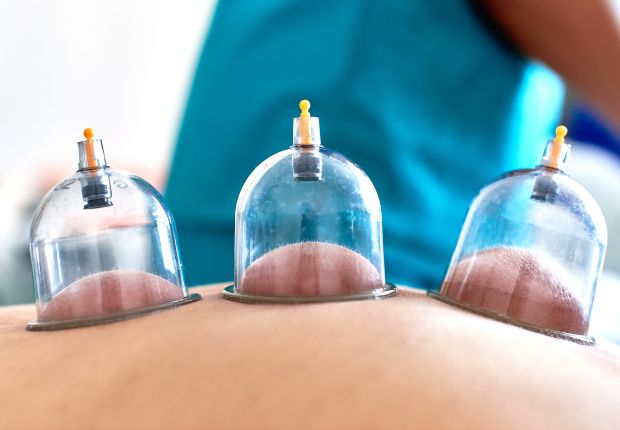

- Relieves muscle pain and tension by reducing tightness in soft tissues.
- Improves blood circulation to promote faster healing and recovery.
- Enhances mobility and flexibility by releasing fascial restrictions.
- Reduces inflammation and supports natural tissue repair.
- Speeds recovery from sports injuries, overuse injuries, and chronic pain.
- Complements physical therapy to improve movement, posture, and overall function.
Myofascial Decompression is an advanced physical therapy technique that uses gentle suction cups to lift the skin and fascia, improving blood circulation, reducing muscle tension, and restoring natural movement. It is commonly used to relieve pain and speed up recovery from injuries
Yes. At Optimal Physical Therapy & Wellness, Myofascial Decompression is often combined with manual therapy, therapeutic exercises, stretching, and movement training to maximize recovery and improve long-term outcomes.
The therapy is typically incorporated into your physical therapy appointment, which usually lasts 45–60 minutes. The amount of time spent on cupping therapy depends on your condition and personalized treatment plan.
Absolutely. Athletes frequently benefit from Myofascial Decompression to improve muscle recovery, reduce soreness, enhance flexibility, and support peak performance. It can also help prevent recurring injuries by improving tissue mobility.
While Myofascial Decompression is safe for most patients, it may not be appropriate for individuals with certain skin conditions, open wounds, active infections, bleeding disorders, or specific medical conditions. During your initial evaluation, Dr. Deven Parekh will determine whether this treatment is right for you and recommend the safest approach for your recovery.